

Table of Contents
- Why It’s So Hard to Keep Your WordPress Blog Active
- Strategic Planning to Keep Your WordPress Blog Active Without Extra Time
- Content Management Techniques to Optimize Your Time
- Workflow Organization for Maximum Efficiency
- Content Strategies to Cut Production Time
- Basic Automation for Time-Strapped Bloggers
- Measuring and Continuously Improving Your System
- FAQ: Keep Your WordPress Blog Active
Struggling to keep your WordPress blog active without spending hours on it every day? You’re not alone. Thousands of bloggers face the same challenge: they have great ideas, they know their audience, but they simply can’t find the time to update their site on a regular basis.
The truth is, running a successful blog doesn’t require an endless investment of time. With the right organization and planning strategies, you can completely transform your workflow and achieve consistent results in far less time than you think.
Why It’s So Hard to Keep Your WordPress Blog Active
The main reason most bloggers abandon their projects isn’t a lack of ideas or technical skills. The core problem is the absence of a structured system — one that helps them get the most out of every minute spent on content.
According to content marketing research, 65% of content creators say that lack of time is their biggest obstacle to staying consistent. That number alone tells you this isn’t a personal failing — it’s an industry-wide challenge.
The tasks that eat up the most time in traditional blog management include:
- Researching topics without an organized system
- Writing from scratch with no templates or frameworks
- Editing and proofreading without defined processes
- Manual SEO optimization on a post-by-post basis
- Scheduling individual posts one at a time
- Promoting content on social media without an automated strategy
Strategic Planning to Keep Your WordPress Blog Active Without Extra Time
The key to overcoming time constraints is shifting from a reactive approach to a proactive one. Instead of sitting down to write whenever you “find time,” you need to build a system that keeps working even when your availability is minimal.
The Time-Block Method
Set aside a single weekly session of 2–3 hours to plan all your content for the following month. During that focused block:
- Define 8–12 titles for your upcoming posts
- Create a basic outline for each article (3–5 key points)
- Identify relevant sources and internal links
- Schedule publication dates in your editorial calendar
This concentrated time-block method is exponentially more efficient than scrambling to plan content on the fly every time you need to publish.
Reusable Content Templates
Develop 3–5 article structures you can reuse again and again. For example:
- Step-by-step guide: Introduction + 5–7 steps + Conclusion
- Comparison review: Introduction + Criteria + Comparison + Recommendation
- Resource list: Introduction + 8–10 tools/tips + Summary
- Case study: Initial situation + Process + Results + Lessons learned
These templates can cut your writing time by 40–60% by eliminating the dreaded blank-page paralysis.
Content Management Techniques to Optimize Your Time
Once you have a planning foundation in place, the next step is streamlining every operational process so you can keep your WordPress blog active without wasting time on repetitive tasks.
Batch Research Method
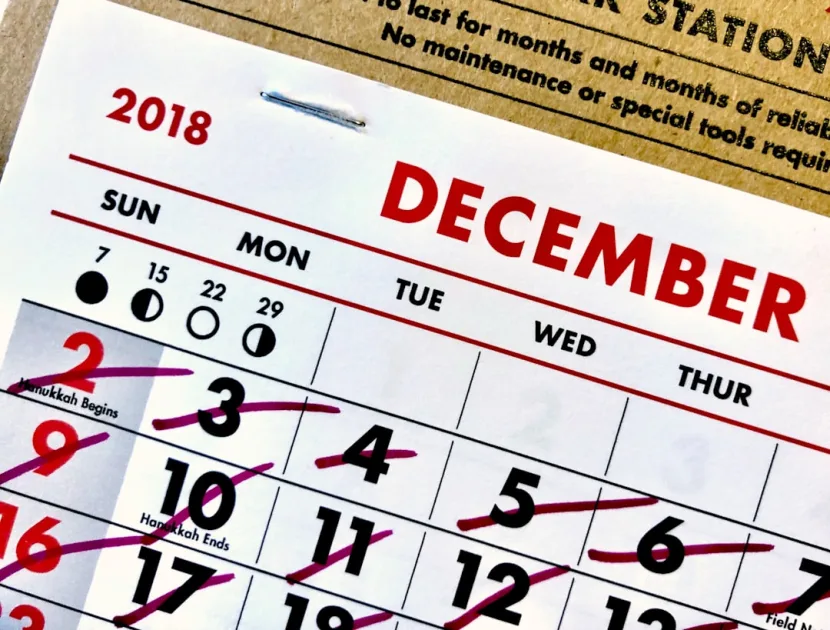
Instead of researching one topic at a time, dedicate focused sessions to gathering information for multiple articles simultaneously. Use digital note-taking systems to stay organized:
- Create topic folders for each content category
- Save links, stats, and relevant quotes organized by theme
- Set up Google Alerts for key topics in your niche
- Maintain a curated list of reliable sources for quick reference
Modular Writing
Break each article into independent sections you can write in short 15–30 minute sessions. This modular approach lets you:
- Take advantage of unexpected pockets of free time
- Maintain quality without mental fatigue
- Make steady progress even on your busiest days
- Revise and refine specific sections more easily
Workflow Organization for Maximum Efficiency
Systematic organization is essential if you want to keep your WordPress blog active without losing time to unnecessary decisions or hunting down information.
A Strategic Editorial Calendar
Build a calendar that goes beyond simple publish dates:
- Monday: Weekly planning and metrics review
- Tuesday–Thursday: Focused writing sessions
- Friday: Editing, SEO optimization, and scheduling
- Saturday: Research and idea collection for future posts
- Sunday: Social media promotion and audience engagement
The Right Productivity Tools
Choose tools that genuinely speed up your workflow — not just ones that look impressive:
- Text editor: Use distraction-free writing editors
- Task management: Tools like Trello or Asana for tracking progress
- Scheduling: Use WordPress’s native scheduling features
- Analytics: Google Analytics for data-driven decisions
Content Strategies to Cut Production Time
Certain content techniques can dramatically reduce the time it takes to keep your WordPress blog active — without cutting corners on quality.
Evergreen Content as Your Foundation
Focus on creating timeless content that stays relevant for months or even years. These types of articles:
- Require fewer frequent updates
- Generate sustained organic traffic
- Can be repurposed and expanded easily
- Deliver a better return on your time investment
Strategic Content Repurposing
Maximize the value of every piece of content by transforming it into multiple formats:
- A long-form article can become 3–4 shorter posts
- List-based content can be turned into simple infographics
- Tutorials can be adapted into explainer videos
- Case studies can be broken into a multi-part series
This strategy can triple your content output by investing just 20% more time in adaptation.
Basic Automation for Time-Strapped Bloggers
Before diving into advanced automation methods, you can start with simple automations that will free up time immediately.
Automated Scheduling and Distribution
Set up basic systems that run without your daily involvement:
- Schedule posts weeks in advance
- Connect your blog to social media for automatic distribution
- Configure auto-responses for frequently asked questions in comments
- Implement automated subscription forms
Simplified SEO Optimization
Use plugins that automate the most repetitive SEO tasks:
- Automatic meta description generation
- Image optimization and page speed improvements
- Automatic sitemap updates
- Basic keyword analysis and density checks
Measuring and Continuously Improving Your System
To keep your WordPress blog active sustainably over the long term, you need to measure how well your strategies are working and adjust them on a regular basis.
Key Efficiency Metrics
Focus on metrics that truly reflect the value of your time investment:
- Time per article: From research to publication
- Engagement rate: Comments and shares per hour invested
- Organic traffic: Visitors generated by evergreen content
- Time-to-result ratio: Outcomes achieved per hour worked
Iterative Optimization
Review your strategies monthly to identify what’s working and what’s wasting your time:
- Identify your most efficient article templates
- Cut processes that don’t add meaningful value
- Do more of what delivers a high time ROI
- Adjust your editorial calendar based on real results
FAQ: Keep Your WordPress Blog Active
What’s the minimum time needed to keep a blog active?
With an optimized system, you can keep a blog active by dedicating just 5–8 hours per week, spread out strategically. What matters most is consistency and organization — not the total number of hours.
Do I need to publish every day to keep my blog active?
Not at all. Publishing 2–3 quality articles per week consistently beats daily publishing that leads to burnout and abandonment. Regularity trumps frequency every time.
What should I do when I run out of content ideas?
Keep a running list of at least 20 article ideas in reserve. Feed that list continuously with audience questions, industry trends, and common problems in your niche.
How do I prioritize what content to create when time is limited?
Prioritize evergreen content that answers your audience’s most frequently asked questions and has strong long-term SEO potential. That type of content consistently delivers the best return on your time.
If you’re ready to take automation further and explore specialized tools that can reduce your workload even more, check out the options available on our plans and features page.
Team’s Take
After working with hundreds of bloggers frustrated by time constraints, I’ve found that the real problem is rarely a shortage of hours — it’s a shortage of efficient systems. The most successful bloggers I know aren’t the ones who work the longest; they’re the ones who’ve built smart workflows. I genuinely believe anyone can keep an active, high-quality blog by gradually implementing the right organizational strategies, without sacrificing other important areas of their professional or personal life.

Written by
Klusto Team
Klusto is the WordPress plugin that automates your SEO blog with AI: plans BOFU/MOFU/TOFU clusters, prevents 3-layer cannibalization, and publishes optimized articles without leaving wp-admin. No external SaaS. No migration.